Type d'activité :
- Pêche
CITEB, Magasin no10 - Port Ouest, 97420 Le Port, Île de la Réunion
Chef de projet :
Evgeny ROMANOV





L’espadon Xiphias gladius est l’espèce principale ciblée par la pêche palangrière côtière à La Réunion. En 2023, 165 tonnes ont été pêchés pour une valeur de plus d’1 millions d’euros (SIH, 2024). La rentabilité de la pêche à la palangre dérivante dépend fortement des conditions environnementales, de l’approvisionnement en appâts et du prix des carburant.
°
La palangre dérivante est un engin de pêche de plusieurs miles de long avec des interactions sur la faune pélagique très variables. Des espèces de requins et de tortues marines font régulièrement partie des prises accidentelles. Le temps de pêche avec cette technique est assez long : un virage, ou relève de ligne, peut durer entre 6-8h selon le nombre d’hameçons. Cela expose les captures ciblées à la déprédation par les mammifères marins ou les requins, et à une augmentation de la mortalité des captures accidentelles. Cela peut aussi entrainer une dégradation de la qualité de la chair du poisson dans le cas où les poissons sont capturées en début de pêche.
°
Ainsi, pour améliorer la qualité des captures d’espadon, la sélectivité de la palangre, réduire les charges d’exploitation pour les petites navires et approfondir les connaissances sur cette espèce, le Citeb a développé le projet PESCARUN, en partenariat avec l’Université de La Réunion en étudiant l’efficacité d’un engin de pêche innovant : la palangre verticale dérivante.
Objectifs appliqués :
- 🎣Augmenter la sélectivité de pêche, réduire les prises accessoires
- 🎣Améliorer la survie des espèces non-ciblées et la survie après rejet
- 🎣Diminuer l’effort de pêche et l’impact sur les écosystèmes marins
- 🎣Économiser des appâts et réduire l’empreinte carbone de la filière (économie de carburant)
- 🎣Améliorer la qualité du poisson pêché
- 🎣Diversifier la pratique de pêche (ciblage d’espèces profondes)
Objectifs scientifiques :
- 🐟Décrire les habitats de l’espadon (notamment les habitats de jour)
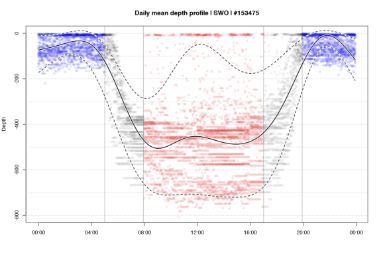
- 🐟Étudier le comportement de l’espadon de jour
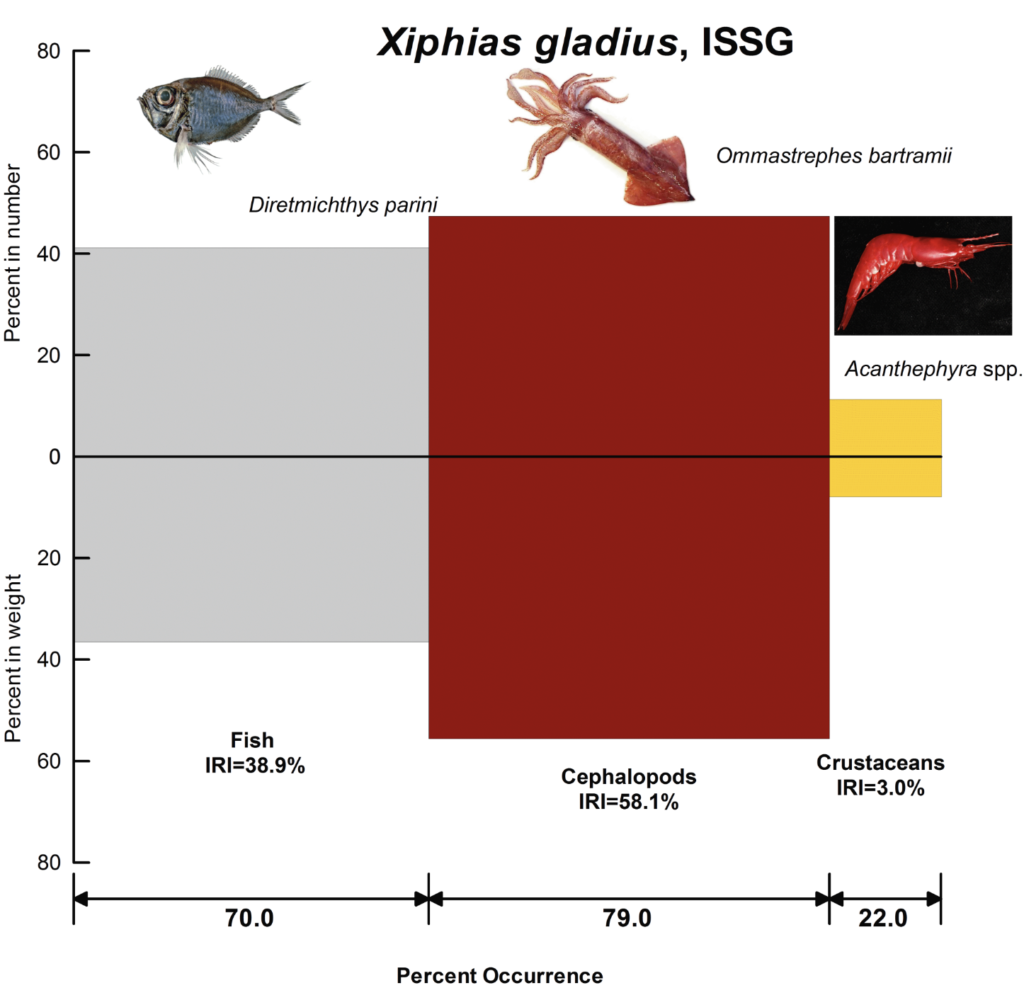
- 🐟Approfondir la connaissance sur les relations trophiques de l’espadon
- 🐟Déplacements à méso et macro-échelle
- 🐟Étudier la connectivité des populations
- 🐟Modéliser les environnements traversés (données in situ: dérives des bouées en temps réel, température de l’eau, profondeur de la thermocline).
Qu’est ce que la palangre verticale dérivante ?
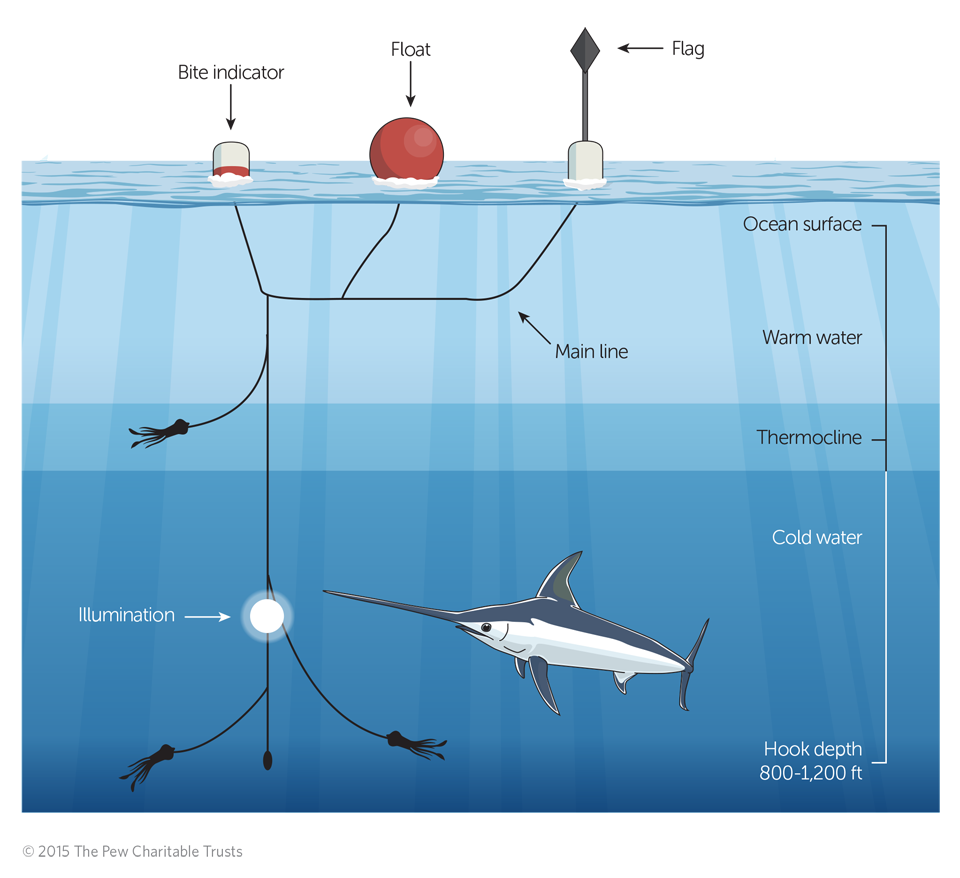
La palangre verticale dérivante est actuellement utilisé en Floride pour cibler l’espadon. Elle peut être déployée de jour, à de grandes profondeurs (habitat de jour de l’espadon) ou de nuit, proche de la surface.
Un hameçon unique situé à la plus grande profondeur est appâté avec du calmar.
Une lumière de type électralume permet de faire un leurre pour l’espadon.
Une bouée gonio GPS permet de repérer la dérive de la palangre afin de pouvoir retourner la chercher en cas de capture ou en fin de pêche
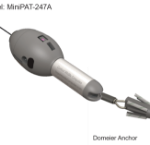
Pour les besoins de l’étude, la ligne était instrumentée d’un capteur de profondeur et de température, ainsi qu’une horloge d’hameçon permettant de chronométrer le temps écoulé depuis que l’hameçon a été attaqué.
Les longueurs de lignes utilisées étaient les suivantes:
de nuit : 60, 100, 140, 150 mètres
de jour : 400, 500, 600, 650, 700 mètres
Marquage d’espadons :
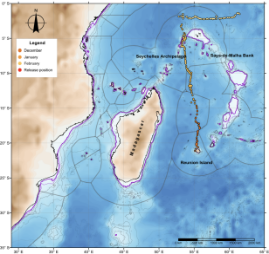
Le comportement migratoire de l’espadon local est mal connu. Un seul espadon a été marqué à proximité des côtes Réunionnaises. Les données ont montré que l’espadon s’est dirigé au nord pratiquement en ligne droite jusqu’au contre courant équatorial La distance de voyage estimé en 69 jours est supérieur à 4300 km soit 48 km par jour.
Analyses des contenus stomacaux :
Quelles espèces sont les proies préférées de l’espadon dans les eaux Réunionnaises ?
Quelle taille d’appâts est la plus adapté ?
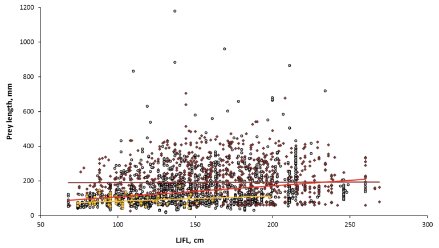
Résultats
Opérations de pêche expérimentale :
Pêche avec des bouées en surface de nuit (20 opérations de pêche côtière) + 2 campagnes hauturière de marquage (20 jours),
Pêche avec des bouées en profondeur de jour (20 opérations de pêche côtière) - pêche profonde jusqu’à 800 m.
11 sorties ont été réalisées de nuit avec entre 4 et 9 palangres déployées par sortie. Les espadons étaient ciblés entre 60 et 150 m de profondeur. L’effort de pêche total était de 70 hameçons. 2 espadons ont été capturés la nuit grâce à cette technique.
6 sorties ont été réalisées de jour avec 4 à 8 palangres par sortie. Les espadons étaient ciblés entre 400 et 740 m de profondeur. L’effort de pêche total était de 52 hameçons, cependant aucun espadon n’a été pêché.