Type d'activité :
- Biotechnologie
CITEB, c/o CYROI, 2, rue maxime Rivière, 97490 Sainte Clotilde
Chef de projet :
Alina TUNIN-LEY

LES MICROALGUES : une biodiversité et une chimiodiversité remarquables
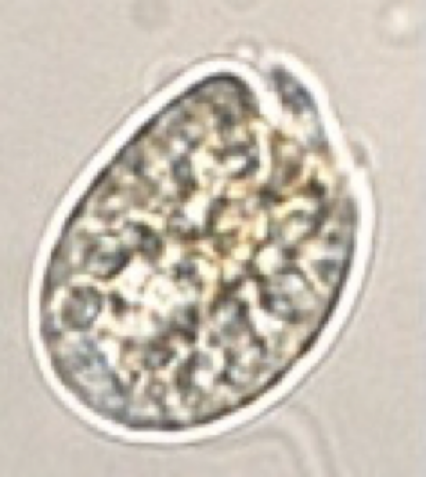
Les microalgues constituent un gisement prometteur de molécules d’intérêt :
- applications dans nombreux secteurs d’activité (santé, pharmaceutique, environnement, cosmétologie, agroalimentaire, chimie).
- biodiversité algale estimée entre 200 000 et plusieurs millions d’espèces mais moins de 25 000 espèces décrites et seulement une vingtaine commercialisées actuellement
- à l’origine d’une grande variété de composés chimiques de nature très variée (polysaccharides, acides gras polyinsaturés, composés aromatiques, terpènes, alcaloïdes, pigments, protéines, lipides) aux activités biologiques reconnues (antioxydante, anti-inflammatoire, cytotoxique, anti-tumorale, antimicrobienne…)
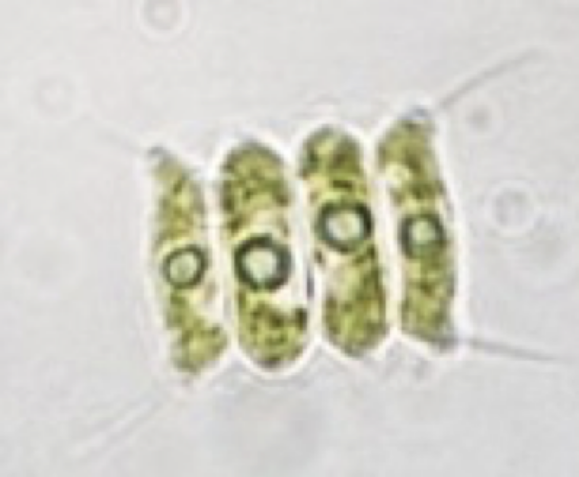
LA PHYTOBANK : un support de recherche essentiel
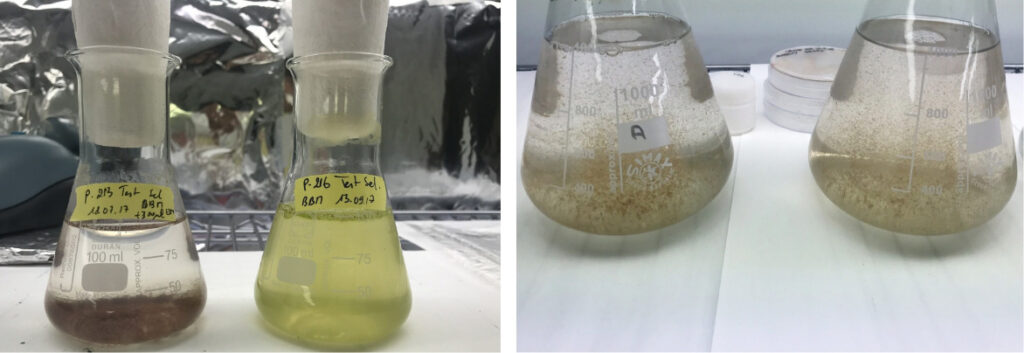
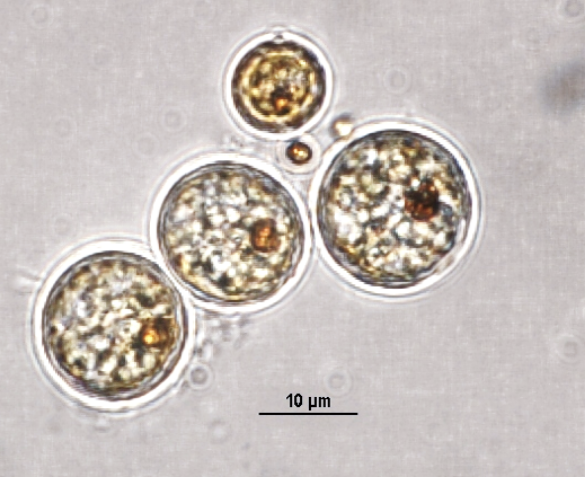
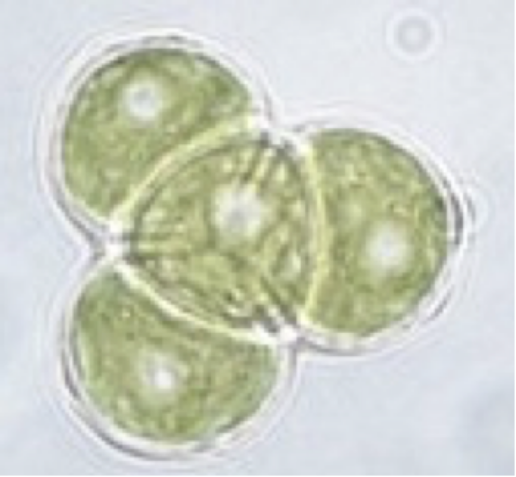
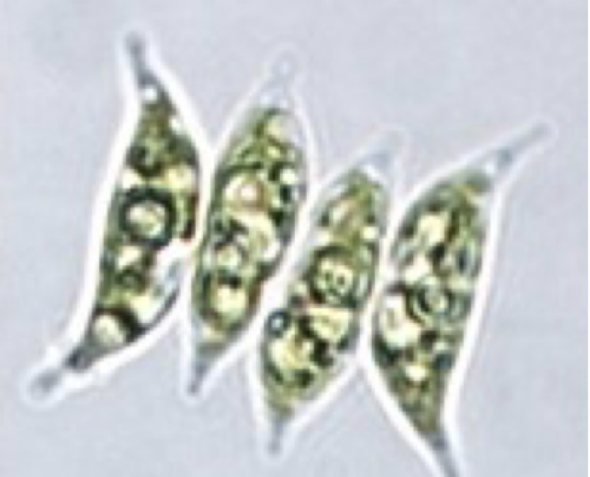
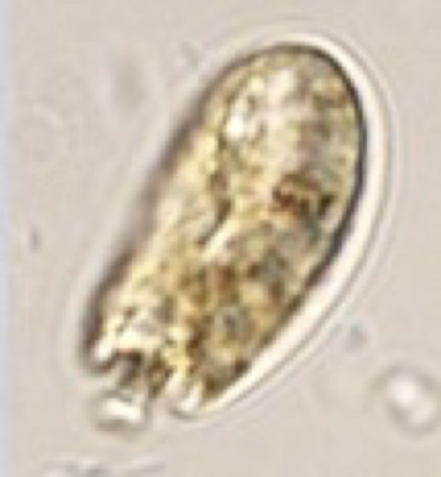
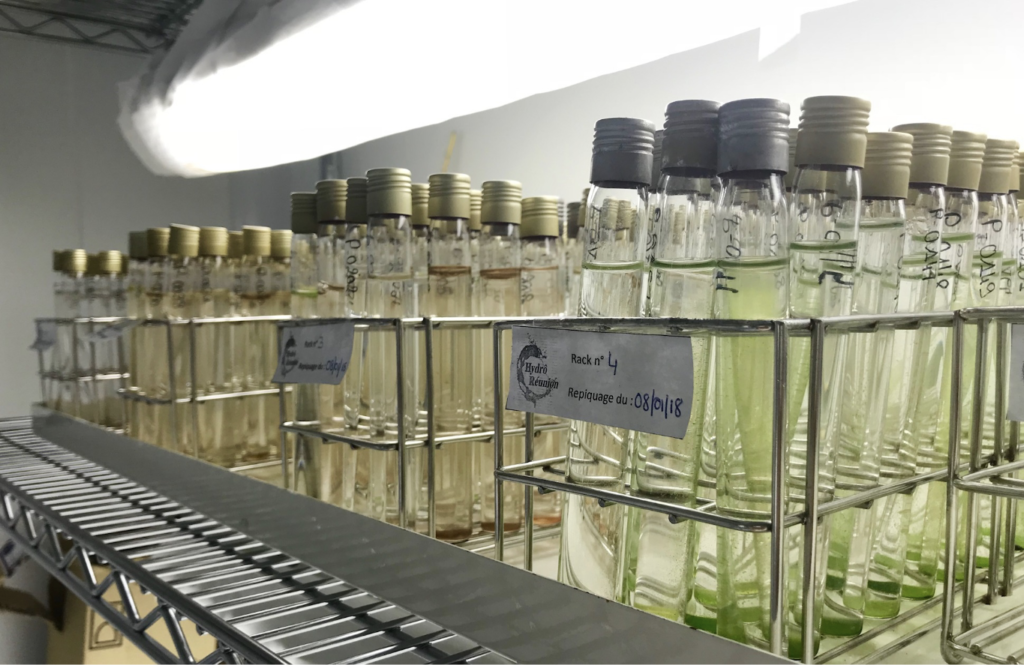
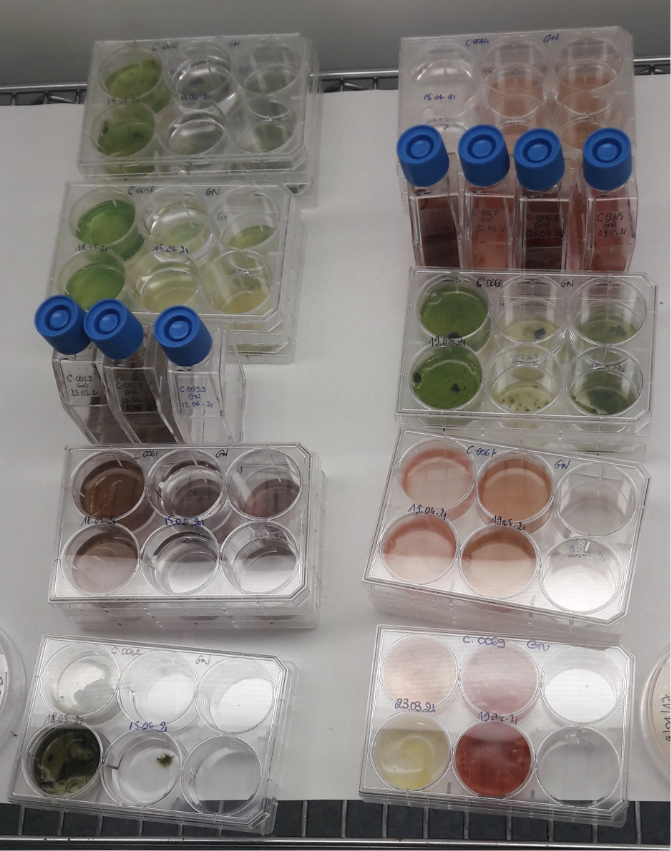
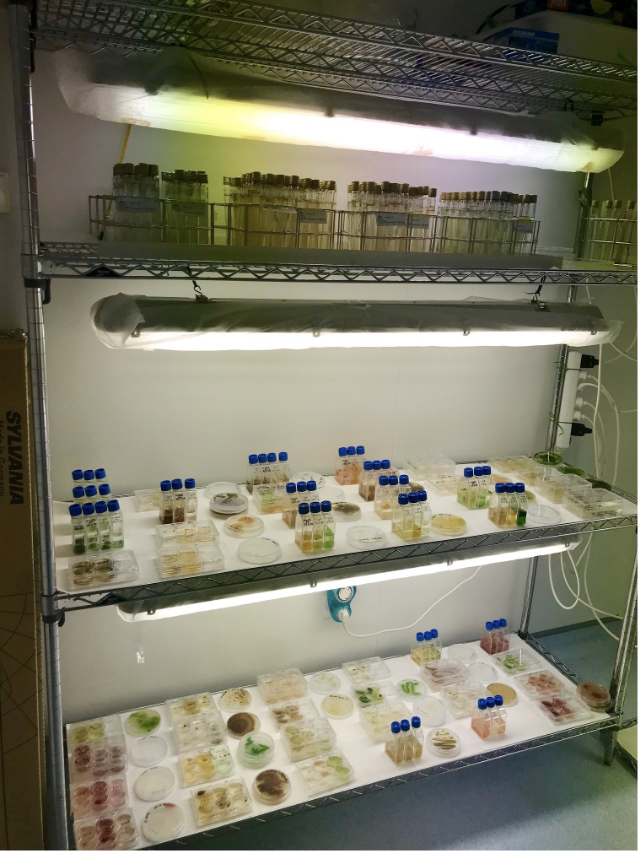
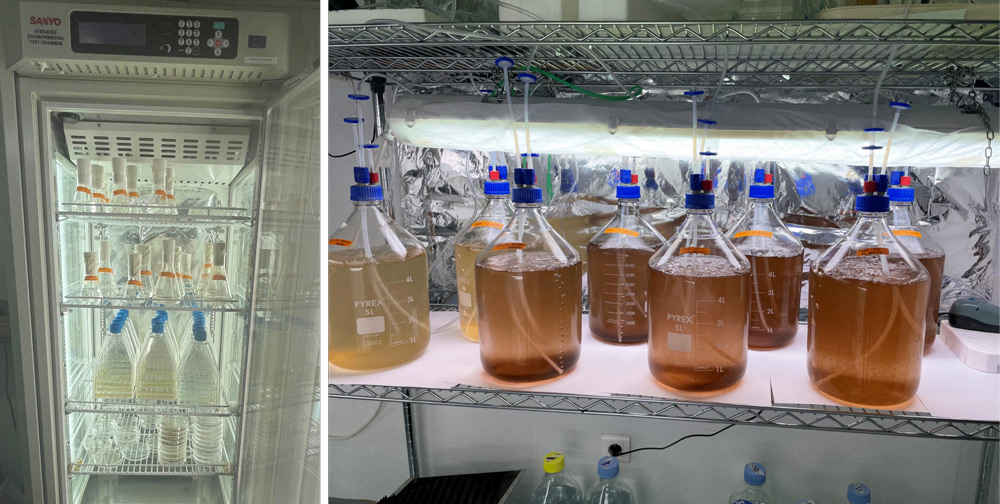
La PHYTOBANK est une collection comprenant plus de 220 microalgues de l’Océan Indien maintenues en culture, développée depuis plusieurs années au sein de notre laboratoire. Elle constitue un outil précieux pour la valorisation des microalgues et le développement d’une filière « Microalgues » réunionnaise.
En outre, le territoire présente un fort potentiel pour la culture de microalgues, notamment pour la production de produits à forte valeur ajoutée, de par son climat très propice et sa biodiversité remarquable. En amont, notre expertise sur l’isolement des souches, l’identification, la maitrise des conditions de culture offre un tremplin pour le développement de cette biotechnologie qui intéresse de nombreuses entreprises innovantes à La Réunion, dans le domaine de l’économie bleue (nutraceutique, environnement, énergies renouvelables…).
Différents axes de valorisation des souches de la PHYTOBANK ont ainsi été développés depuis 2012, et ont permis de faire émerger de nouvelles applications des microalgues dans le secteur des peintures antifouling par exemple.
OBJECTIFS
Le Projet POMARUN (POtentiel biotechnologique des MicroAlgues de la Réunion) vise à identifier de nouvelles voies de valorisation et de développer les biotechnologies liées aux microalgues sur le territoire, et s’articule autour de 3 axes :
Axe1 : Evaluation des propriétés actives de souches de la PHYTOBANK
-> évaluer les propriétés antioxydantes des espèces de Chlorophycées d’eau douce de la Réunion, riches en pigments tels que la lutéine, la zéaxanthine et l’astaxanthine (partenariat CYROI et CNRS).
-> évaluer l’activité antifongique et antibactérienne de souches de Dinoflagellés marins (genre Amphidinium) et tester l’efficacité d’extraits de microalgues sur des phytopathogènes de cultures réunionnaises (partenariat CIRAD et CYROI).
Axe 2 : Prospection et isolement de nouvelles souches issues de milieux extrêmes ou appartenant à des espèces déjà commerciales
-> isoler des souches réunionnaises d’espèces déjà commercialisées (Haematococcus, Chlorella, etc…) aux caractéristiques physiologique (croissance, rendement, bioactivité) potentiellement plus intéressantes.
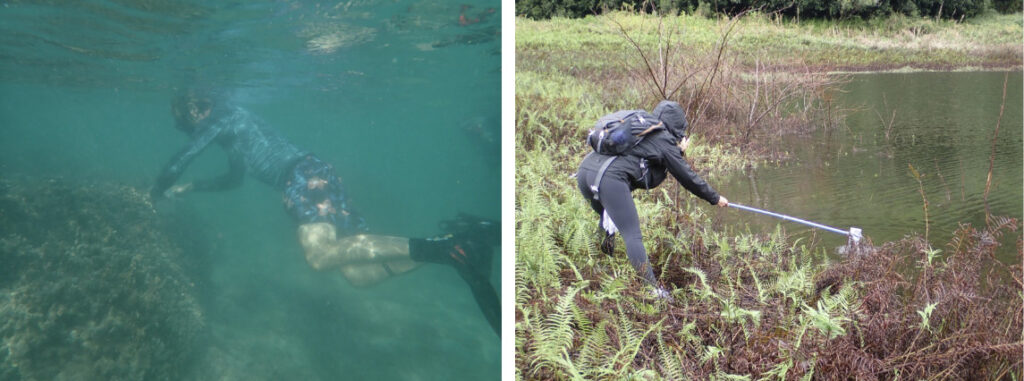
-> enrichir la PHYTOBANK de souches originales en prospectant des milieux et écosystèmes préservés et/ou soumis à un environnement fluctuant, favorisant la production de métabolites inédits.
Axe 3 : Sécurisation des souches de la PHYTOBANK et optimisation des moyens de préservation
-> étudier de nouvelles méthodes de préservation sur le court et le long terme pour optimiser la stratégie de conservation des souches.